
Table of Contents
In this article we will explore the massive question – Is Thailand safe for families in 2026? We will address a wide range of safety considerations, risks and share some TOP TIPS for safe travel in Thailand – especially with kids. The main developments in are the troubles on the Thai-Cambodian border. The UKFCO recommends staying well away from border and surrounding areas. So if you’re planning to travel between Thailand and Cambodia – flying is the best option right now. At the time of writing the remainder of Thailand is unaffected by this localised conflict.
Reading an article like this can feel overwhelming and scary. We aren’t trying to scare you off! Just help you familiarise yourself with some of the unique risks. Thailand is stunning – packed with beauty, adventure, great food and amazing experiences. In fact Thailand is so epic we think Thailand is one of the best countries to travel with kids
Although this article is primarily about whether Thailand safe for families – we hope this is useful to anyone visiting Thailand. If you don’t have kids – these tips still apply and almost everything in this article will still be of use. Overall Thailand is reasonably safe for families to travel. There are some risks you should be aware of and there are ways to reduce the risks. SO please read this guide carefully.
TOP FAMILY DESTINATIONS IN THAILAND – Don’t miss the top 5 destinations for families in Thailand
ALSO you may be interested in our guide on THE BEST things to do in Thailand with kids
AND Also don’t miss the full guide: What is the best country in Southeast Asia for Family Travel?
Is Thailand safe for families – summary of the main risks

Here are the main risks that we address in this article:
- Oceans – high risk – waves, currents and dangerous creatures
- Environment – hot weather and sun exposure – use protection and stay well hydrated
- Jungle trekking – medium risk – getting lost and wild animals
- Elephant sanctuaries – low risk – trampling incidents
- Diseases – medium risk – be well insured and consider vaccinations and prophylaxis
- Street food – medium risk of mild stomach upsets – street food generally ok
- Drinking water – don’t drink from the taps or streams. Clean, safe water readily available
- Hotels – medium risk especially for young children. Window, balconies, pools and electrics
- Road safety in Thailand – baby seat rare, seat belts can be missing
- Crime in Thailand – some small low level crimes, look after valuables. Avoid scams.
- Political instability – low risk – Keep an eye on the FCO website for area specific updates
If you’re planning a trip to Thailand find out how to travel Thailand for under £20 per day and definitely don’t miss our step by step Thailand itinerary – including the north and south of Thailand.
A little disclaimer
No trip or activity is without inherent risks – and kids have a way of multiplying and creating a whole range of risks you never even thought about. It is all about understanding risks and doing what you can to minimize them. AND of course knowing what to do if something does go wrong. Always make sure you are fully insured and your policy covers everything you plan to do.
Oh yeah – this is not an exhaustive list of risks in Thailand. These are just meant to be examples of some of the main things that you need to be aware of. Use this article as a guide and planning tool to help keep yourself and your family safe.
Emergency services in Thailand
Here are the phone numbers for the emergency services in Thailand. The emergency services in Thailand are professional and well trained. However, there may be some differences to the way that they operate compared to your home country:
Tourist police 1155
General emergency number – Fire, ambulance and police 191
TOP TIP: Some of the bigger international hospitals in Thailand have their own ambulances and emergency departments. Keep a note of their emergency numbers to get transferred to an international hospital in case of an emergency.
What are hospitals like in Thailand?

The public hospitals around Thailand offer a reasonably good standard of healthcare for very reasonable prices. Most hospitals charge admission fees, hospital fees, doctors fees and medical fees. A visit to a local hospital for a simple and uncomplicated problem is likely to cost under £100 and is likely to be cheaper than the excess of an insurance policy.
Thailand also has lots of international and private hospitals throughout the country. These can be very expensive. ALWAYS check that your insurer will cover you – it is important to phone your emergency claims number as soon as safely possible to get advice about emergency medical treatment. International hospitals in Thailand tend to have a very high standard. They are clean and staffed by professional and experienced doctors.
Bangkok is one of the most popular destinations for medical tourism. There are many international hospitals in Bangkok. But the best international hospitals in Bangkok are Bumrungrad International Hospital, Bangkok Hospital, and Bangkok International Hospital.
Bumrungrad International Hospital is one of the best hospitals in Asia and it has been voted as one of the top ten hospitals worldwide by US News and World Report.
Is it safe to swim in the ocean with kids in Thailand?

Are the oceans in Thailand safe for families? This is probably one of the most important areas for careful risk assessment and good knowledge.
The beaches of Thailand are some of the most popular tourist attractions in the world. And we can see why. Picture soft white sands, turquoise waters and lush green jungles. We love Thai beaches! The country has a long coastline with many beautiful beaches, and it is also a major destination for surfers and divers. However, Thai beaches are not without their risks.
Waves and currents can be extremely strong and powerful – especially on certain beaches and during the rainy season. Jellyfish, stone fish and sea urchins are all common ocean inhabitants that can cause painful and potentially lethal injuries to swimmers. Here are some more things to be aware of.
Strong waves and currents
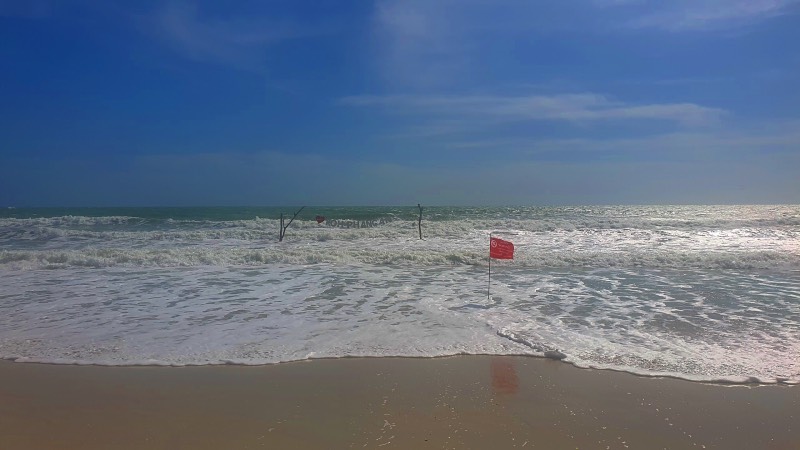
In some areas waves and currents can be very strong in Thailand – especially during the rainy season or periods of bad weather. If you are swimming in the water there is always the risk of getting lost in the water or being swept away by a rip current.
A rip current is a strong current that runs perpendicular to shorelines, typically at low spots or breaks in sandbars. They can be very difficult to swim against – many people try and end up drowning. If you get caught in a rip current always swim perpendicular to the current (and parallel to the shore). This is the best way to escape the current. You can then swim back to shore.
In popular tourist destinations such as Phuket, Koh Samui and Koh phangan beaches may be manned by a lifeguard and also have a flag system to indicate swimming safety. As ever, red flags mean “the water is not safe for swimming”. Never swim with red flags, always assess the conditions carefully and we recommend very close supervision of children on beaches and in the water.
Jellyfish risks
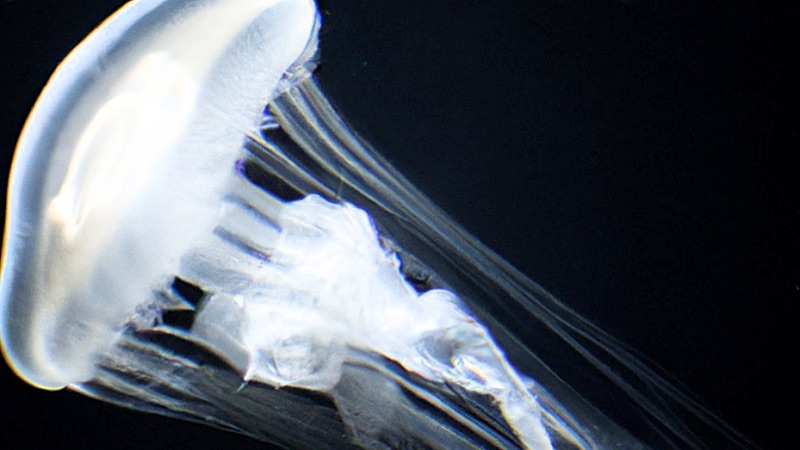
Sadly jellyfish are a big problem especially in some areas of Thailand (e.g. Koh Samui, Koh Phangan and Koh Tao). Some of the jellyfish are also pretty nasty. The Thai waters are home to box jellyfish and the Portuguese Man O’war jellyfish – both of which can deliver a lethal sting. Jelly fish can be encountered in the waters around Thailand in any location and at any time. So whenever you step in the water you are taking a risk. But there are ways to minimise the risks.
- Avoid swimming during the early morning or late evening – jellyfish tend to swim into shallower waters near the coast during these cooler times of day
- Avoid swimming during rainy season – jellyfish encounters are more common during rainy periods
- Avoid swimming in murky waters – if the water is clear you can sometimes spot a jelly fish before it gets too close.
- Use wetsuits and rash guards – this can provide a physical barrier that can block some tentacles and barbs
- Watch out for jellyfish on the beach. If they have washed up on the beach there is a very good chance they are also in the water.
- Try to find places with jellyfish nets for swimming. Alternatively book a hotel with a swimming pool.
- If you feel barbs when you are in the water then get out and stop swimming
- Listen to local reports from resorts and hotels near the ocean – they can often tell you about jellyfish stings and sightings in the area.
What do you do if you do you are stung by a jellyfish?

Jellyfish have tentacles that sting and inject venom into their victim. In some cases jellyfish stings occur when a swimmer touches a detached tentacle – so there may not even be any sight of a jellyfish – just a nasty sting.
Jellyfish stings can be very painful and sometimes lethal. They may also leave scars. If someone is stung by a jellyfish, you should wash the area with vinegar as soon as possible to neutralize the venom. After this, attempt to remove any remaining barbs by scraping them off gently with a credit card. Avoid using your fingers or hands to remove barbs as this can sting you. We recommend having a bottle of vinegar in your bag if you’re planning to swim in the waters in Thailand.
If you experience severe pain or nausea after a sting, call an ambulance because it could be a sign of a more serious injury. If you have been stung by a jellyfish and the symptoms persist for more than 30 minutes, go to the hospital for treatment because it could be an allergic reaction to jellyfish venom.
Stone fish

Stonefish are venomous fish that can cause extremely painful and sometimes lethal stings. Worse still, they look rather like greyish brown stones sitting on the ocean bed. Stonefish are not aggressive, but they will sting if they are stepped on or touched. Stone fish are not super common but there is a risk in the waters.
Stonefish can be found in the waters around Thailand. Always be careful walking on the ocean floor (sand and coral reef are both risky). If possible wear water shoes (booties) and keep a careful eye where you step. Limit walking on the ocean floor as much as possible.
You should also never touch anything underwater, as this will increase your risk of being stung by a stonefish. If you do get stung by one, you should seek medical attention immediately as it could cause serious side effects like paralysis and respiratory failure.
Sea Urchins

Sea urchins are spiny, sea animals that live in the ocean. They are usually found in shallow water and on coral reefs. Sea urchins are easy to spot. They have a round, oval-shaped body and are covered with sharp needle-like spikes called spines. These spines can puncture skin if they come in contact with it. Worse still the spines can break and stay embedded in the skin.
There are a few things you can do to remove an embedded spine. Try pulling it out with tweezers. Soak the area in warm water. Use your fingers to squeeze the wound on both sides to try to pressure the spine out. If you don’t get it out, use antiseptics and monitor for infection. Keep trying warm soaking and pressure.
What are the environmental risks in Thailand?
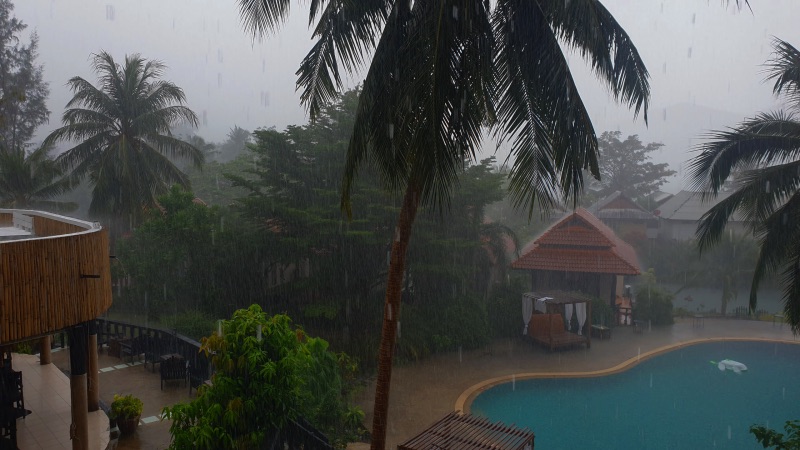
Thailand is a hot tropical climate. During the day the temperature regularly reaches 30 degrees celsius or more and the humidity is often high. Sun exposure is a risk in Thailand – especially around midday. Protect yourself from direct exposure using SPF 50 sunscreen, sun hats and / or an umbrella. Try to stay in the share where possible. Also be aware that you can burn quickly in the water – the water makes you feel cool and not notice. Keep hydrating in Thailand, drinking plenty of water often. This will help you stay healthy and avoid heat exhaustion and heat stroke.
During the rainy season Thailand can experience some very intense storms. Watch out for weather warnings. During stormy periods be aware of strong winds, falling branches, falling coconuts and deboris. Flooding can also be a problem in some areas of Thailand. Keep an eye out for weather warnings and follow local advice.
Tsunamis are also a rare risk in Thailand. Familiarize yourself with the warning systems, emergency procedures and evacuation points. There are normally alarm systems and hilly areas that people need to get to as quickly as possible. Knowing the landscape can help a lot.
Is it safe to trek in the jungle with kids in Thailand?

Are the jungles in Thailand safe for families? With no prior jungle experience we recommend caution, preparation and local guides.
Thailand is a beautiful country with beautiful wild jungles, mountains and waterfalls. However, there are also some venomous snakes that can pose a danger to the locals and tourists.
Venomous snakes can be found in many places in Thailand including jungles, forests and long grass. Some of the most dangerous snakes include cobras and vipers. If you get bitten by a snake, take a photo of the snake for reference and go to the hospital as soon as possible.

Avoid climbing trees, trekking through long grass and foliage and going off the trail in the jungle. Always be alert and aware in Thailand.
Another risk of trekking in the jungle in Thailand is getting lost. Always stay on the trail. Use maps or guides to help you navigate. We also recommend the use of offline maps (such as maps.me) and GPS location on your phone.
Are elephant sanctuaries in Thailand safe for families?

Are elephant sanctuaries in Thailand safe for families? Many families want a hug with these beautiful beasts. And we get it. Elephant sanctuaries are epic.
Thailand has lots of elephant sanctuaries. Most travelers love to visit the elephant sanctuaries and interact with these magnificent animals. However, elephant sanctuaries do present risks to children. Elephants are gentle animals but they can get scared and trample humans. In order to avoid this, we should supervise children and make sure that they respect elephants’ space.
What diseases do you need to be aware of in Thailand?
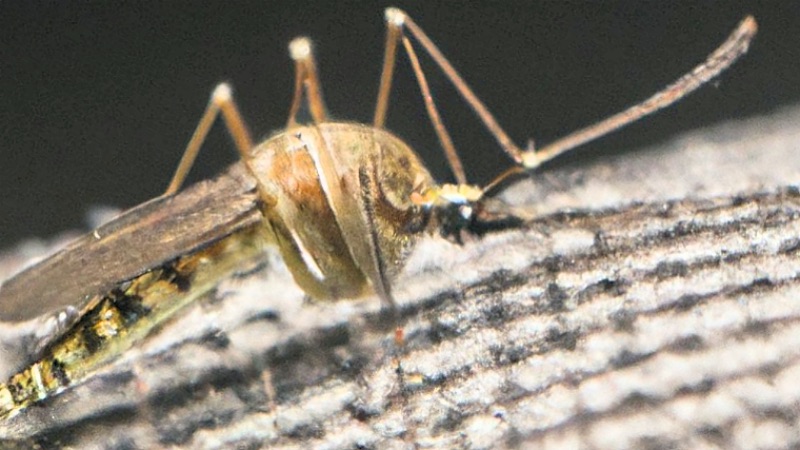
Thailand has a similar disease profile to many countries in southeast Asia. Overall these countries are relatively safe to travel and easy to stay healthy – especially if you are only planning to visit cities and tourist destinations. We always recommend being up to date on your routine vaccinations.
Malaria is a disease that is caused by a parasite called plasmodium. It is transmitted from mosquitos to humans through the bites of infected female Anopheles mosquitoes. Malaria can be prevented by taking anti malarials, wearing long clothing and using insect repellants.
Dengue fever is similar to malaria. However there are not any preventative medicines that can protect from dengue fever – so the main thing is bit avoidance.
For up to date medical and health information for Thailand and other destinations around the world check out the Nathnac website. Contact your GP or a travel clinic prior to travel to get advice on pre-travel vaccinations.
Is street food safe in Thailand?

Is street food in Thailand safe for families? Kids have smaller systems and may not adapt to new microbes as well as adults. Illness can be a bigger problem for them and needs treating more quickly.
In any new country there is always a risk of stomach upsets due to the unique local pathogens in foods. Thailand has a celebrated and diverse street food culture. Street food in Thailand is generally fresh, safe, hygienic and healthy. Many travelers do not have any problems in Thailand. However, from time to time people contract food poisoning in Thailand. Vomiting and diarrhea can lead to dehydration in a hot climate – and this can happen very fast – especially with young children. Serious cases of viral or bacterial infection can cause children to vomit water immediately after drinking. It is very important to act fast. Use anti-emetics to stop vomiting (check with a doctor or pharmacist on something suitable for your child). Priorities slow hydration – sipping electrolytes and keep monitoring the volume that your child drinks.
Is it safe to drink the water in Thailand?

It is not safe to drink the water directly from taps in Thailand. Some taps do have filtration systems attached – and this does make the water safe. Around Thailand you can also find water filtration machines that dispense clean water (usually they do reverse osmosis or filtration). These machines are all over the place and you can top up a bottle for around 1 baht. Furthermore, there are also plenty of Seven Elevens and convenience stores in Thailand selling bottles of cheap clean drinking water (you can normally buy 500ml, 1.5 liter or 5 liter bottles). Do not drink the water directly from waterfalls or rivers in Thailand.
Are hotels in Thailand safe for families?

Are hotels in Thailand safe for families? This may sound like an obvious question – but there may be risks you haven’t considered.
As a general rule – more expensive hotels are likely to be safer for families. Cheaper hotels in Thailand are not always safe for children. Watch out for high windows without sufficient locking. Also watch out for balconies which may not lock. Low or broken safety barriers can be a risk on balconies in Thailand. With young toddlers watch out for steep staircases – baby gates are rare in Thailand.
Find out more about travelling Thailand with a toddler in our full guide
In bathrooms the water in showers can run very hot (most showers run on an electric heater so take time to learn the temperature sensitivity). Also watch out for dodgy wiring in cheaper rooms. Another common risk in Thailand hotels is swimming pools. Many hotels have swimming pools – which can pose a risk to toddlers or babies that cannot swim. In some areas swimming pools can be very deep (2-3m) as they are used for diving practice.
A slightly odd hotel risk in Thailand is falling coconuts! Beaches and hotels often have coconut trees – and coconuts occasionally crash down – an impact can be fatal. So avoid sunbathing under palm trees and encourage kids to play elsewhere.
Are the roads safe in Thailand?
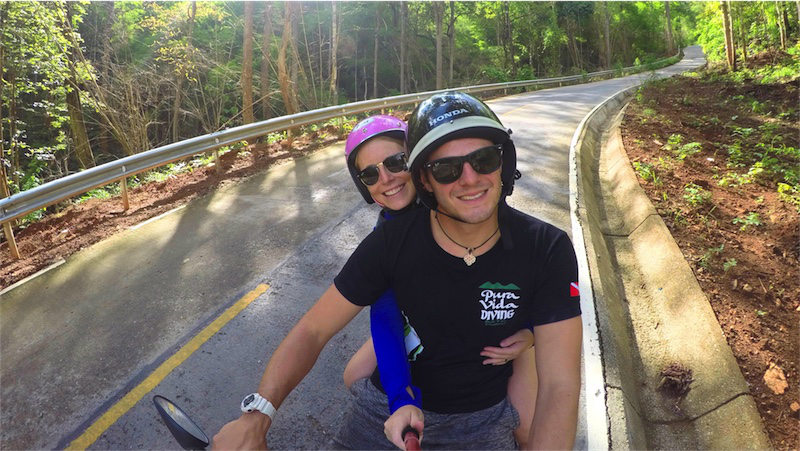
Are roads in Thailand safe for families? Thai roads do have driving rules and people generally follow the rules. BUT – these rules may be different to your home country. Don’t get caught off guard.
There are some unique road risks that you need to be aware of in Thailand. Firstly be aware that people drive on the left side of the road in Thailand. Don’t get caught out when you’re crossing the road.
Furthermore, it is important to be aware that in some places the sidewalk (foot path) may be overcrowded with people, vehicles and food stalls. This can mean you need to walk on the road to pass. Another road risk in Thailand is the lack of seatbelts.

Some cars and taxis don’t have seatbelts available for passengers. More rare still are baby seats. So if you are traveling with a child who needs a car seat – we recommend planning this. Here are some ideas:
- Try renting a car which includes a car seat (check with your rental dealer)
- Travel with a car seat (this can also be used on the plane). The downside is that car seats are bulky
- Use buses and trains rather than cars and taxis
A very popular, cheap, convenient and fun way to get around in Thailand is to use a rental motorbike. You can normally rent 125cc motorbikes for around 150 – 250 baht per day (£3 – £5 per day or $4 – $6 per day). BUT this is not a great option for families in Thailand. Some families do take kids on motorbikes – and you can even get child sized helmets. But motorbikes are much more risky than cars or buses. SO, we don’t recommend motorbikes as a safe way for families to get around.
Is there a risk of crime in Thailand?
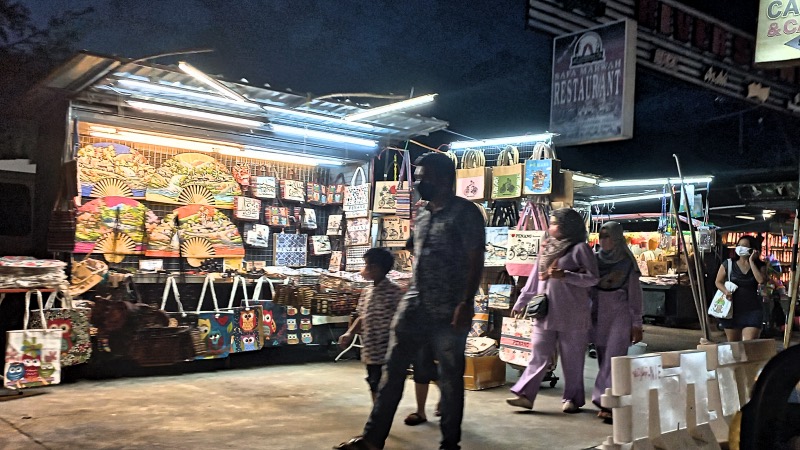
Thailand is a relatively low-risk country for crime. The crime rate is low, and there are few risks for tourists. Pick pockets do operate in the markets and public transport. Watch out for crowded places. However, crime is pretty rare overall. The bigger risk to travelers in Thailand are scams. So be aware and be wise – especially in tourist spots. Here are a few top tips to help you look after your belongings in Thailand:
- Never leave your valuables bag under a bus – always keep it with you on the bus. Be especially careful on night buses. Even a bag under a seat is an easy target for a thief.
- Don’t leave valuables in your backpack. If you do need to keep valuables in your bag tuck it away in a waterproof inner sack or a subtle inside pocket or pouch deep inside your bag.
- Use a money belt and always make sure you have a spare card separated and hidden.
- Use hotels safes or lockers where possible – this is especially important in dorm rooms.
- Remember to have a photo of your valuables – if you need to claim for stolen belongings you will need a police report and may need to prove ownership (receipts and/or photos)
Is Thailand politically safe and stable?

Thai people are LOVELY peaceful and friendly people who really welcome and respect families.
Thailand is reasonably safe and politically stable. There have been protests and civil unrest in some areas over the years. There are also some disputed areas near the borders with Cambodia causing unrest. Furthermore, there are some issues with drug production in the north of Thailand – especially near the borders of Myanmar and Laos. Koh Tao seems to have a strange and mysterious history of murders and some possible police corruption. These are the main problems over the years. In general these things are quite localized and millions of people enjoy Thailand unaffected by these localized issues.
To get the latest travel advice and risks keep an eye on your local consular website. For example, UK citizens can check the FCO website for up to date safe travel advice on Thailand.
Summary – Is Thailand safe for families?

Is Thailand safe for families? Overall we would say yes – relative to other countries Thailand is very safe for families.
After reading an article like this you may think the answer is “NO” Thailand is not safe for family travel. BUT keep in mind that SO MANY of the risks we share in this article are very low risks and unlikely to happen. Taking appropriate precautions reduces the risk even more. Millions of people visit Thailand every year and love it. Overall Thailand is a very safe country for family travel. Just be aware of the risks, take a few precautions and prepare well – and we think you will LOVE Thailand.
We have lived in Thailand with kids and visited MORE TIMES than we can count. We have rarely had any problems of any sort in Thailand. So wipe the sweat off your brow and get packing!
