
Table of Contents
If you’re looking to get off the beaten track in Japan, Mount Koyasan might just be one of the most special places you can go. It is a short journey from both Kyoto and Osaka – and yet it has all those mysterious anime vibes. Surrounded by misty cedar forests in the remote mountains of Wakayama Prefecture, Koyasan is a sanctuary of temple culture, Japanese culture, and there are plenty of peaceful atmospheric walks.
We loved visiting Koyasan on our trip to Japan – and even took the time to stay in one of the monasteries as a cultural experience. In this guide, we’ll take you through everything you need to know to plan your trip in 2025 – including how to get there, what to expect from a temple stay, and how to make the most of your time in this peaceful mountain town. As ever we have tried to make this guide as helpful and practical as possible with prices, tips and much more. So grab a green tea, sit back and enjoy planning your travels…
Here are a couple of temple stays that you can book on Agoda and Booking.com – remember to be flexible with your dates
- Koyasan Shukubo Daienin – very traditional and authentic – (if you can’t find it on booking.com then try Agoda)
- Koyasan Sanadabo Rengejoin – offers more confortable modern suites – with the traditional temple vibes – (again you can find these guys on Agoda too)
Why visit Mount Koyasan?
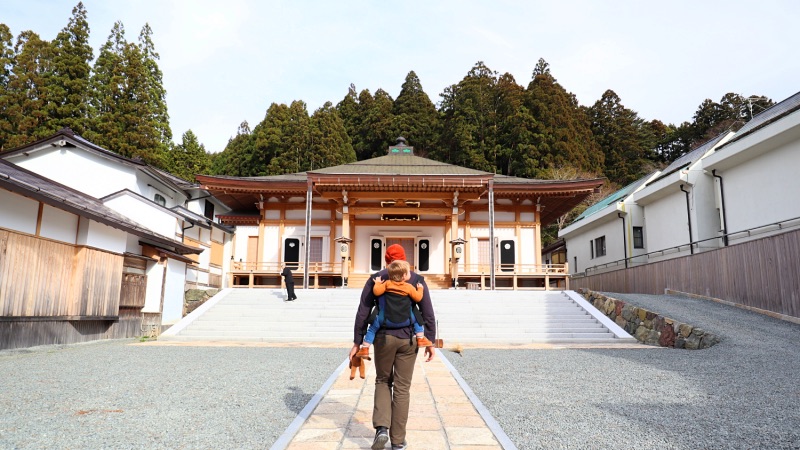
Mount Koyasan (often written Kōya-san) was founded over 1,200 years ago by the monk Kukai, who brought esoteric Buddhism to Japan after training in China. Since then, it’s grown into a temple town with more than 100 religious buildings, some dating back centuries. Walking through the village feels like stepping into a different time – there are towering pagodas, moss-covered stone paths, incense wafting from wooden halls, and monks in traditional robes going about their day.
And while Koyasan is still very much a working religious community, it’s also one of the most welcoming places for travellers interested in learning, slowing down, and experiencing something deeper. It’s not a theme park or tourist village – it’s a place where you can genuinely experience Japanese monastic life, even just for a night.
How to get to Mount Koyasan
Even though Koyasan feels remote, it’s surprisingly easy to reach – and the journey itself is part of the charm. The whole journey from Osaka takes around two hours.
The most popular and scenic route is by train and cable car from Osaka. You’ll start by taking the Nankai Koya Line from either Namba or Shin-Imamiya Station. If you choose the Limited Express, it’s a direct ride to Gokurakubashi Station and takes around 1 hour and 20 minutes. It’s a bit pricier than the Rapid Express but saves time and avoids transfers. From Gokurakubashi, you’ll board the Koyasan Mountain Railway (also called the Cable Car) – a short but very steep five-minute ride that carries you up into the mountains. The views are fantastic, and it’s an experience in itself.
Once you reach the upper station, you’ll need to take a 10-minute local bus to get into the town centre. Buses are regular and efficient (true Japanese style!). Senjuinbashi is the best stop if you’re staying overnight in a temple.
If you’re coming from Kyoto, you’ll first need to get to Osaka – either by JR train to Osaka Station or via the Hankyu or Keihan lines, depending on where you’re starting from. The route via Nankai Rail is the same from there.
There’s also a seasonal highway bus that runs directly from Kyoto and Osaka to Koyasan between April and November. It takes around 2.5 hours and can be a good alternative if you prefer not to change trains. Just bear in mind that seats are limited and should be booked in advance.
Train Prices
Traveling from Osaka to Gokurakubashi Station, the gateway to Mount Koyasan, involves taking the Nankai Koya Line, operated by Nankai Electric Railway. This line is not covered by the Japan Rail Pass (JR Pass), as it is operated by a private railway company.
- Limited Express Train: The Limited Express service offers a direct and comfortable journey from Osaka’s Namba Station to Gokurakubashi Station. The fare for this service is ¥1,650, and the trip takes approximately 80 minutes.
- Rapid Express Train: Alternatively, the Rapid Express service is available at a lower fare of ¥870. However, this option typically requires a transfer at Hashimoto Station and extends the travel time to about 92 minutes.
Mountain Railway Prices
Once you reach Gokurakubashi Station, you need to get the Koyasan Cable Car (actually it’s more of a mountain railway), which ascends to Koyasan Station. The ride takes approximately five minutes and costs ¥500.
For children aged 6 to 11 years, fares are typically half of the adult prices. This means the Limited Express train fare would be approximately ¥825, the Rapid Express around ¥435, and the cable car fare ¥250. Children under 6 years old often travel free of charge when accompanied by an adult, though it’s advisable to confirm specific policies with the railway operators.
What’s it like to stay in a temple?
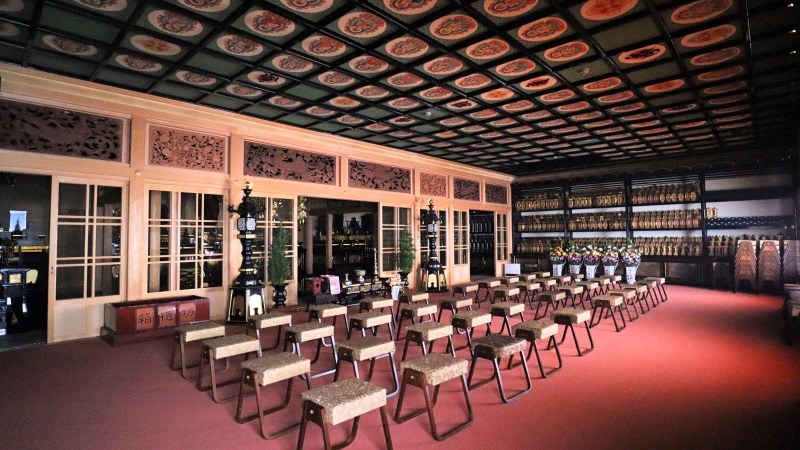
One of the best things you can do in Koyasan is to spend the night in a working monastery. There are over 50 temples that offer guest accommodation, known as shukubo, and staying in one is a peaceful, memorable experience. Most lodgings offer traditional tatami rooms with sliding doors, low wooden tables, and futon bedding. Don’t expect luxury – but you can expect a calming simplicity, thoughtful hospitality, and a deep sense of stillness.
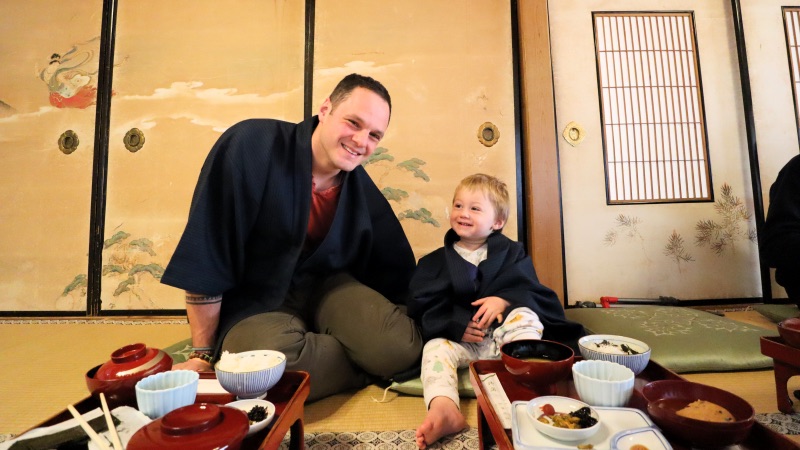
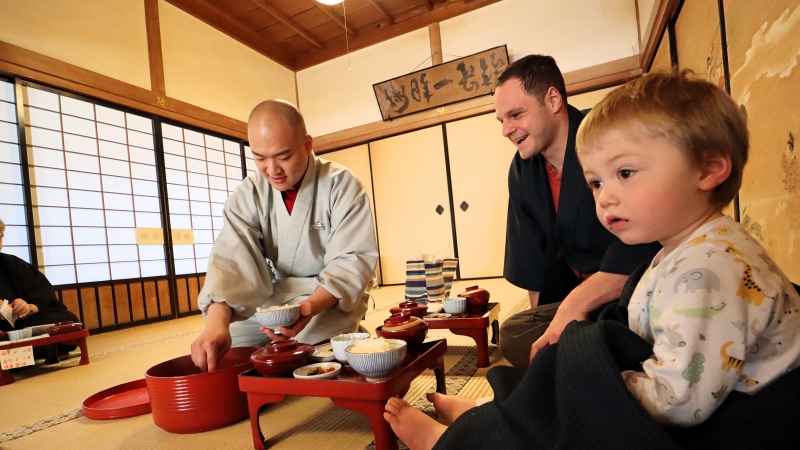
Most temple stays include a beautifully presented shōjin ryōri dinner and breakfast – these are vegetarian monk’s meals made with seasonal vegetables, tofu, and mountain herbs. You’ll usually be invited to join the monks for early morning prayers, often starting around 6am, and some temples offer additional activities like meditation, fire ceremonies (Goma rituals), or sutra copying. This is all totally optional – you can stay in a monastery without taking part in any of the religious ceremonies.
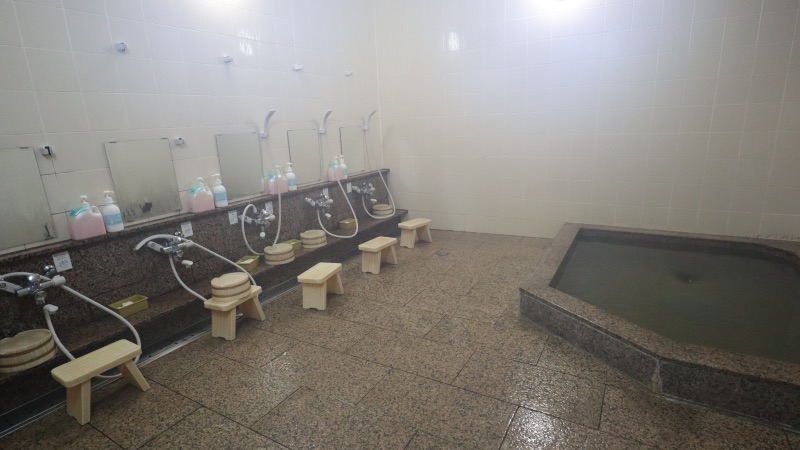
Staying in a monastery may be epic – but it’s not cheap. This one is definitely as much about the once-in-a-lifetime experience as it is about the accommodation. Prices vary a lot depending on the date – so search over a reasonable date range and try to be flexible. Prices typically start at around £500 per room per night – but you can occasionally find cheaper deals. Many places charge more than this – it can cost as much as £2,000 per night. Just keep in mind that some temples charge per person rather than per room, so it’s worth checking the details when you book.
Practical tips for your stay
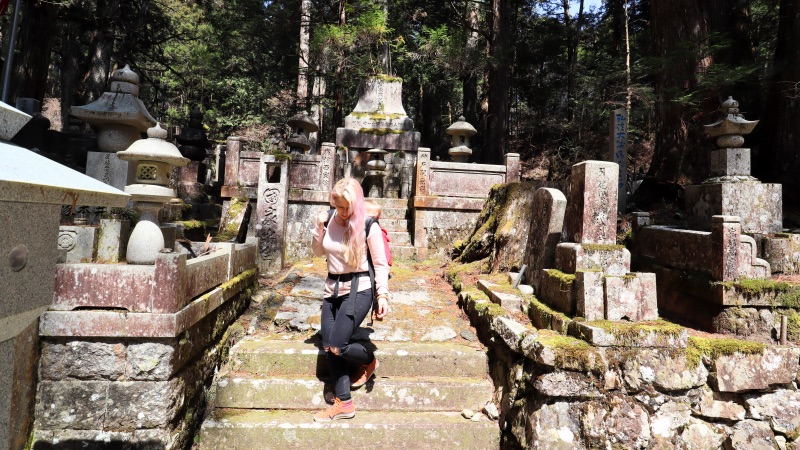
It’s worth arriving in the early afternoon if you can. Most temples stop accepting guests around 5pm, and dinner is usually served by 5:30 or 6pm. Try not to arrive late or you might miss the full experience. Most stays include a traditional Japanese breakfast – which is a unique experience in itself.
Also, it’s important to carry enough cash, as many temples don’t accept cards. While there are a couple of ATMs in town, they’re not always reliable – and it’s a bit of a pain to trek one down in the dark, especially if you’ve just stepped off a train.
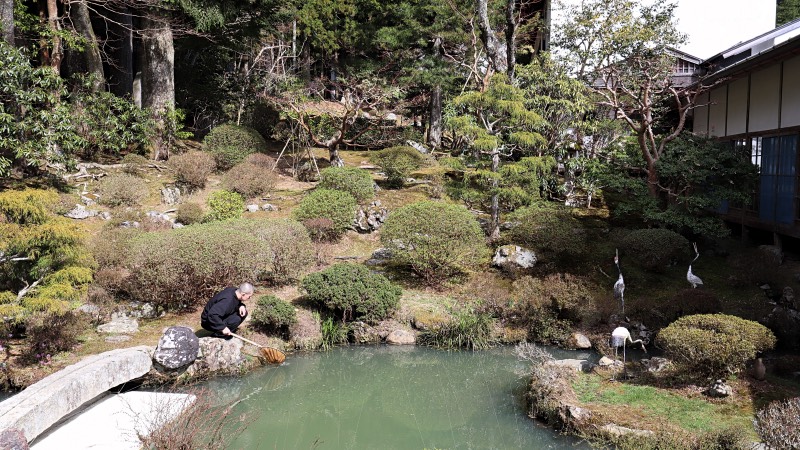
Even in summer, the mountain air is crisp and cool in the evenings. If you’re visiting in spring or autumn, you’ll want to bring a jumper or jacket. Most temples offer heating, but it can still feel chilly in older buildings. The temple rooms are quiet, warm, and surprisingly comfortable – especially if you like the sound of rain on a wooden roof and the occasional temple bell in the distance.
What should you see and do in Koyasan?
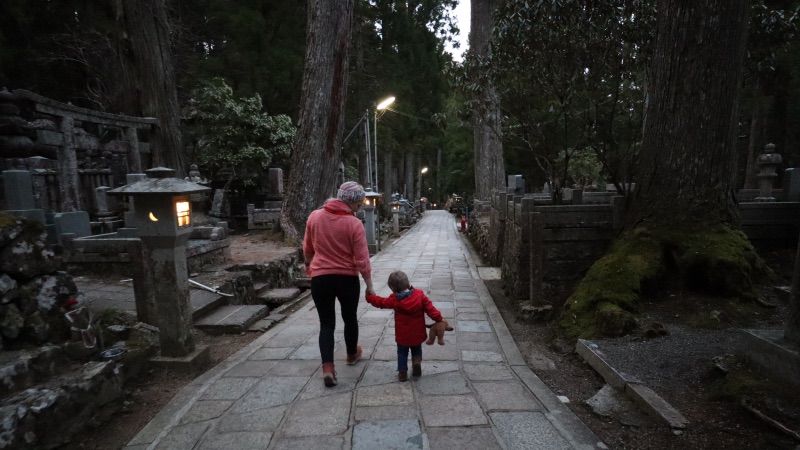
You won’t need an elaborate itinerary – the beauty of Koyasan is that it encourages slow, quiet exploration. That said, there are a few places you shouldn’t miss. The Okunoin Cemetery is probably the most atmospheric walk you’ll ever take. We really loved this one! It stretches for nearly two kilometres through towering trees and mossy gravestones, and leads to the mausoleum of Kobo Daishi. Try to walk it either early in the morning or at dusk – the stone lanterns give the path an otherworldly glow. Everything in Koyasan is within easy walking distance, though there’s a small bus network if you’d prefer to hop between sites.
Koyasan might not be on everyone’s Japan itinerary – but we think it should be! Whether you’re on a digital detox, or just find a peaceful place to breathe, this mountain retreat is one of the most enriching destinations in the country. If you’re already in Osaka or Kyoto, this is an easy addition to your trip. And if you’ve got a little more time, we’d definitely recommend slowing down, packing a book, and soaking in the silence of the cedar trees.
Exploring Osaka? Don’t miss our 5 day Osaka Itinerary – perfect for families!
