
Table of Contents
In this article we are going to tell you everything you need to know to plan a visit to the coffee plantations in Bali in 2026. There are some very important things to know before you go so please read this guide carefully.
We’re going to warn you about some common mistakes and problems with coffee plantations in Bali. We will help you prepare and plan for your trip and also recommend some of THE BEST coffee plantations in Bali that are open to visit.
We have really enjoyed visiting Bali coffee plantations over the years and we highly recommend a visit if you have the opportunity.
There really is so much to do in Bali we wrote this AMAZING inspiring guide on the best things to do in Bali and we also have a detailed step by step 10 day Bali itinerary
KEEP IT SIMPLE – See the Best of Bali with a local expert – book this Authentic Bali Local Food Tour with a Kopi Luwak Tasting Experience.
Why visit a coffee plantation in Bali?

If you get a chance we highly recommend a visit to one of the beautiful Bali coffee plantations. Visiting a coffee plantation in Bali is a great way to learn about the growth and production of coffee, local agriculture, meet some awesome people and sample some delicious coffee. The coffee plantations in Bali tend to be located in beautiful surroundings allowing you to reconnect with nature and experience rural Bali. You can also buy local coffee from the source for great prices. We LOVED visiting the coffee plantations in Bali. Taking a tour and learning about coffee growing is fun and interesting.
Don’t miss our FULL GUIDE to the Tegalalang Rice terrace in Bali
Things to know before you visit coffee plantations in Bali

The hills of Bali make an excellent climate for growing coffee – so there are LOADS of plantations to choose from. In fact this can actually feel a bit overwhelming. We will recommend some of THE BEST plantations to visit.
There are a few important things that you need to know before you visit coffee plantations in Bali:
- Not all “coffee plantations” in Bali actually grow coffee! Some “plantations” have gardens and may have a single coffee bush. But really they are set up to give you samples and run shops selling coffee.
- Not all coffee plantations in Bali are ethical. Some coffee plantations may not give you the real deal (especially if you’re looking for more specialist blends). AND in some cases coffee plantations keep Luwaks in captivity (small civet cats) to make Kopi Luwak. More on this soon.
- Many of the coffee plantations have shops attached. Be aware that coffee in these shops may actually be well above the market price – sometimes charging a lot more per gram than the airport.
- Some of the best coffee plantations in Bali are linked to resorts. Yes, you can actually stay at a coffee resort! This may actually be the BEST and most ethical way to visit a plantation in Bali.
Don’t miss our FULL GUIDE on how to get around in Bali
Map of the best coffee plantations in Bali
What are THE BEST coffee plantations in Bali?
There are many coffee plantations in Bali – here are some of THE BEST coffee plantations that are open to visit:
1 Wanagiri Coffee plantation

Wanagiri Coffee plantation is a small beautiful family run plantation located in the northern hills of Bali near Danau Buyan lake. This is also one of the most authentic and ethical coffee plantations in Bali. They produce Kopi Luwak from wild Luwak beans (not from caged animals). This lovely family have run this farm for many generations and they really understand how to produce the finest coffee – each stage of the process is carefully done by hand. As a result, coffee is more expensive here. The location of this plantation may be too remote if you’re not planning to visit north Bali. However, this really is one of THE BEST coffee plantations in Bali. It costs 50,000IDR for a tour and 50,000IDR for coffee sampling. Open daily from 8am – 10pm.
Address: Wanagiri, Sukasada, Buleleng Regency, Bali 81161, Indonesia
2 OKA Agriculture

Beautiful plantation located 20km north of Ubud. Sip coffee with stunning views over a jungle valley. FREE entry. They also give you 14 samples for free including tea, infusions, Bali coffee and hot chocolate. You can watch roasting and learn about coffee making – you can even have a go at roasting beans in the pan. Chat to the lovely staff to learn more about coffee and this beautiful farm. 60,000IDR to sample Kopi Luwak and a traditional Balinese pancake!
Address: OKA Agriculture, J89P+C8H, Manukaya, Tampaksiring, Gianyar Regency, Bali 80661, Indonesia
3 Bali Pulina

Bali Pulina is one of the most popular coffee plantations. This lovely plantation is located around 10km north of Ubud in the Tegalalang area. Tegalalang is the most popular rice terrace to visit and many rice terrace tours also include a visit to the Pulina plantation. This plantation is very well set up with a range of tools and equipment demonstrating coffee making over time. Bali Pulina is also a great place to learn about the beautiful variety of tropical plants and trees growing in the area. There is also a beautiful sampling terraces with stunning views of the jungle valley. Entry costs 10,000IDR including samples of coffee and teas and local Balinese snacks.
Open daily 8am – 6pm.
Address: Jl. Raya Pujung Kaja No.Br, Sebatu, Kec. Tegallalang, Kabupaten Gianyar, Bali 80561, Indonesia
4 MAS Plantations Bali
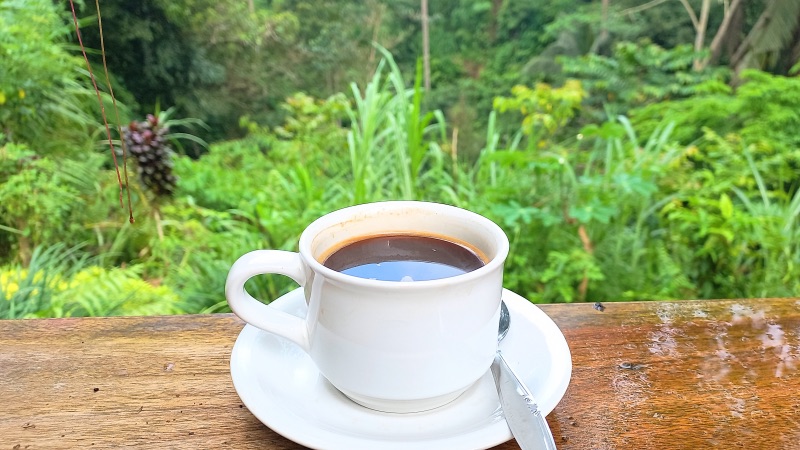
This is THE BEST coffee plantations in Bali for location. This small coffee plantation is located in the lush countryside between Denpasar and Gianyar. It is FREE to enter and the tour is free. They also offer free coffee and tea sampling. However you do need to pay for coffee Luwak and other products like packaged coffee beans are on sale here. They also offer traditional Balinese snacks. The MAS plantation is open daily 9am – 6pm
5 Munduk Moding
Read our FULL GUIDE on the Munduk Moding Plantations & Resort

Munduk Moding is one of the BEST coffee plantations in Bali. We absolutely loved our visit here – and the coffee really is out of this world! Munduk Moding is a 5 star resort and plantation located in the hills to the north of Bali. This coffee plantation was established with the goal of producing the highest quality coffee in Bali and supporting local farmers and communities. The whole process is meticulous. Ripe organic coffee cherries are hand picked.

You can watch and learn about traditional grinding and roasting methods and talk to local farms. Munduk moding is also one of the most ethical coffee plantations in Bali. In addition to supporting local farmers, their organic plantations are integrated into the jungle ecosystem using shadow trees to support and protect the coffee bushes. If you are interested in seeing the plantations you can just drop in. They also welcome day guests at the Munduk Moding resort.
How do you organise a tour of the Bali coffee plantations?

If you’re looking for a fun low-stress way to enjoy the coffee plantations in Bali why not book a tour directly? This is a simple and fun way to experience the best of Bali with a local expert who can show you all of the best bit – no need to plan or navigate – just sit back and enjoy the experience!
This Amazing Bali Food Tour includes a Coffee Luwak Tasting experience – one of the most expenive and sought after coffees in the world.
What is it like to visit a coffee plantation in Bali?

Visiting a coffee plantation in Bali is a fascinating and educational experience. Most coffee plantations in Bali will take you on a tour of the plantation, which will include an overview of the growing and harvesting process, as well as a look at the equipment used to process the coffee beans. Depending on the plantation, you may be allowed to pick coffee cherries, see the roasting process and even sample different blends of coffee. Many coffee plantations in Bali offer FREE samples if you buy a drink. They also tend to offer a variety of teas, hot chocolates and may also offer local snacks like banana chips!

You may also be able to meet the farmers and workers and learn more about the hard work, skill and dedication that goes into producing high-quality coffee. Visiting a coffee plantation is also a beautiful and relaxing experience – many plantations are located in scenic rural areas. If you visit a coffee plantation, make sure you take a stroll through the plantation’s fields and enjoy the amazing views.
Can you stay at a coffee resort in Bali?

YES you can actually stay on a coffee resort in Bali! Our TOP PICK coffee resort is the luxurious 5 star Munduk Moding resort located in the lush jungle hills of northern Bali (not too far from the beautiful Golden Valley).

This beautiful resort has an ethical coffee plantation, stunning infinity pools, decadent villas AND two gourmet restaurants on site serving FRESH local organic food grown in their own gardens. Munduk Moding is a great place to see coffee growing, learn more about coffee production and just chill out in luxury. Munduk Moding is also open to day guests.

The best way to book a stay at Munduk Moding is to book on Agoda or Booking.com (check both to secure the best prices). Using a booking platform allows more flexibility, transparency and also allows you to access deals and discounts.
What is Kopi Luwak?

Ok, if you’re visiting the coffee plantations in Bali you will quickly come across Kopi Luwak. This is one of those unique and weird things that coffee conesures love. Kopi Luwak, also known as civet coffee, is a type of coffee that is made from coffee beans that have been eaten and excreted by civet cats. The civet cat, a small mammal native to Southeast Asia, eats the coffee cherries for their fruit pulp but is unable to digest the coffee beans. The beans are excreted in the civet’s feces, which are then collected, cleaned, and roasted to produce Kopi Luwak. Apparently the bean itself doesn’t actually touch the poop – that’s what local producers tell you anyway!

Kopi Luwak lays claim to being one of the most expensive coffees in the world. In Europe expect to pay around $20 or more for a cup. In Bali you can get a cup of Kopi Luwak. The process of digestion and fermentation in the civet’s digestive system is thought to remove the acidity of the beans resulting in a smoother and lower caffeine blend. BUT is it all good???
Is Kopi Luwak ethical?

While kopi luwak is a VERY POPULAR coffee its growing popularity has led to increased demand, which has put pressure on civet populations. In some cases, civets are kept in captivity and force-fed coffee beans. It is important to consider the ethical and environmental implications of consuming any product, including kopi luwak. If you are interested in trying kopi luwak, it is important to research the source of the coffee and ensure that it is produced in an ethical and sustainable manner.
What can you learn at the coffee plantations in Bali?

Coffee is one of the most popular beverages in the world, and it all starts with the growing and production process. The following are the steps involved in coffee growing and production:
1 Planting
Coffee beans are actually seeds of the coffee plant, which is typically grown in tropical regions around the world like Bali. The planting process involves sowing the seeds in nurseries, where they are tended to until they become seedlings. The seedlings are then transplanted to their permanent growing location.
2 Growing
Coffee plants require specific growing conditions to thrive, including a warm and humid climate with ample rainfall (the hills of Bali are perfect for this!) They are usually grown on hillsides, as the sloping terrain helps with water drainage. Coffee plants typically take about three to four years to reach maturity and begin producing coffee beans.
3 Harvesting
Coffee beans are harvested by hand, and the process varies depending on the type of coffee being grown. For example, arabica coffee is typically picked when the berries are ripe, while robusta coffee is often harvested when the berries are still green.
4 Processing
After the coffee beans are harvested, they need to be processed to remove the outer layers and reveal the coffee bean inside. There are two primary methods of processing coffee: the wet process and the dry process. The wet process involves using water to remove the outer layers, while the dry process involves allowing the beans to dry in the sun before removing the outer layers.
5 Roasting
Once the coffee beans are processed, they are ready for roasting. Roasting coffee involves heating the beans to a specific temperature, which brings out their unique flavors and aromas. Roasting can range from light to dark, with each level of roasting producing different flavors. In Bali roasting is done over a wood fire in large roasting pans – most coffee plantations have a demo of roasting and may even let you have a go.
6 Grinding and Brewing
Finally, the roasted coffee beans are ground and brewed to make the final product. The method of brewing can also vary, with options including drip coffee, espresso, and French press.
Is it worth visiting a coffee plantation in Bali?

YES we do recommend a visit to the coffee plantations in Bali. But keep your expectations in check. Many of the plantations are set up for tourists and in some cases prices may be high. You may also see captive Luwaks which are used to produce Kopi Luwak. If you’re looking for an authentic and ethical coffee plantation in Bali the we recommend Munduk Moding or the Wanagiri Coffee plantation.
AND finally, don’t miss our 7 day Bali itinerary – plan the perfect trip in paradise
