Table of Contents
In this article we will share 10 things to consider before worldschooling in 2026. We were both teachers before we started worldschooling our two beautiful boys. Now we worldschool. We have absolutely no regrets. Worldschooling is a fun, exciting and fulfilling adventure for the whole family.
Although we would recommend worldschooling to anyone, there are some things that we would encourage you to consider before worldschooling. This article is not meant to scare you off worldschooling but just to give you some things to think about and reflect on if you were considering worldschooling for your family.
Worldschooling is very similar to homeschooling except you travel and do most of your learning on the road. Don’t miss our guide on the similarities and differences between worldschooling and homeschooling.
Worldschooling is a family adventure. if there are many different styles and varieties of worldschooling but the main similarity is the real world is your classroom. Children are encouraged to learn from experiences and develop holistically.
EARN AS YOU GO – Don’t miss our guide to The BEST and most affordable countries for digital nomads
Why do people decide to start worldschooling?

The most important thing to consider before worldschooling is your reasons and motivation for worldschooling. At times worldschooling and can be very challenging and tough. Knowing exactly why you’re doing it and understanding your motivations and goals can help you stay focussed and productive.
We are certainly not claiming worldschooling is the best approach to education and we’re not claiming its for everyon. Worldschooling has its advantages and disadvantages.
Many reasons that people decide to start worldschooling. Ultimately it is personal to each family, however we will share some of the common reasons that people might start World School:
- Many families start to worldschool because of a positive desire for challenge, adventure and family time. This was a massive part of our motivation.
- Some families choose to worldschool because they are disappointed with traditional education. Families may feel let down by specific schools or just disappointed with the system as a whole.
- Another growing concern for families that choose alternative education is the agenda which is often pushed in schools. Families may have concerns over the moral, political and religious agendas which are pushed in classrooms.
- A great reason to worldschool is the desire for holistic education. Other traditional schools give lip service to holistic education in reality most schools do not have the resources, time, capacity or facilities to offer a genuinely holistic education (emphasis on skills, compassion, character development and understanding)
- Some people start worldschooling based on the belief that real context and experience is the best environment for meaningful and long-lasting learning. Sounds about right to me.
- Another reason people start worlschooling is to expose children to a greater variety of challenges, experiences and cultures
- Some people choose to start worldschooling because their child has specific needs. worldschooling provides the perfect context for flexibility and personalized learning. This is especially true for children with SEN.
1 Your child’s friendships and relationships

Before you start worldschooling we would encourage you to consider your child’s friendships and relationships. How invested in community and friendships is your child? how will they respond to traveling away from their social connections? These questions are very difficult to answer and it is important to listen to your child and reflect on their social dynamics. It is important to add that worldschooling provides a huge range of opportunities to develop social and personal skills.
Worldschooling children often meet many new people and make friends all around the world. However, if your child is deeply invested in a social community in your home country it may be very difficult to make the transition to worldschooling. In a case like this it may be worth considering shorter term will schooling options for. For example, you can still worldschool during school holidays or you could take your children out for a term and see how it goes.
2 Your child’s age and stage
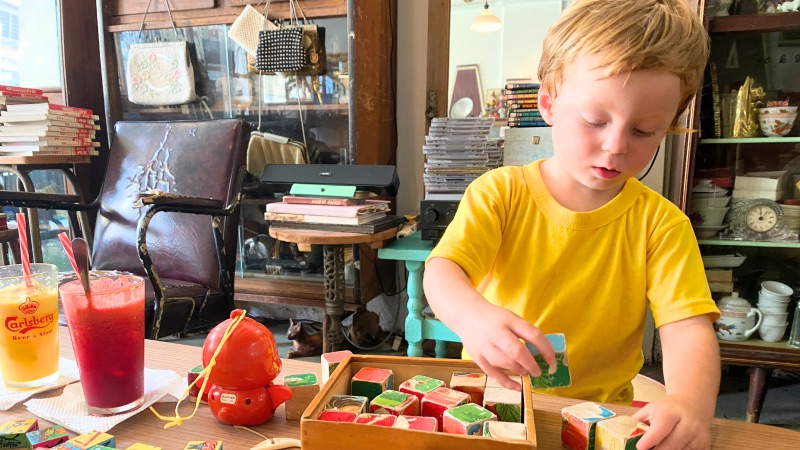
A very important thing to consider before worldschooling is your child’s age and stage. In general, it is easier to take younger children out for a couple of reasons. Firstly, younger children can adapt more quickly to a new style of learning and the curriculum tends to be less challenging and easier to teach as a parent. As children progress through School the curriculum tends to become more specific and prescriptive.
It can be harder to meet specific curriculum goals when you’re traveling and “gaps” in their learning can become more apparent if they take exams or need to transition back into your home education system. However, if you’re traveling with an older child there are still many ways to make it work. For example, you can enroll your child in a digital learning School. You can develop your child’s independent learning skills and help them engage directly with a curriculum and markschemes. In some cases parents may still feel equipped to teach their children.
3 Whether you will follow a curriculum

Another thing to consider before worldschooling is whether you will follow a specific curriculum. Many homeschooling and worldschooling families do choose to follow specific curricula. Although this is not essential, we do recommend picking a curriculum to follow if you are worldschooling. As for my school and family, we are aiming to keep our children’s education fairly close to our home country (the UK).
This is important if we need to transition back into life in the UK at short notice and we also believe it is important for our children to have sufficient qualifications so that they can pursue further study or careers of their choice. You do not need to follow an accredited curriculum. For example, you could just download the GCSE curriculum documents, buy a good digital GCSE textbook and use past exam papers to practice and revise. Then you could register your child to do their exams with an international school or a school in your home country.
4 Whether you plan to return to traditional education later

Another thing to consider before worldschooling is whether you will return to a traditional education system later. In some cases, worldschooling families have a long-term vision for worldschooling. In other cases worldschooling families may just take their children out for a shorter period of time. If you do think that you will return to a traditional education setting, it is worth maintaining certain skills and routines that will help your child re-adjust and then return to school. We also recommend considering the curriculum that the school uses and talk to the school about what stage of the syllabus they will be working on when your child returns. If possible we recommend trying to reflect the schools education to make the transition back to traditional schooling smoother.
5 The best locations and activities for worldschooling

If you are planning to worldschool your child we also recommend considering your location. Some countries and regions lend themselves very well to worldschooling. We have loved worldschooling our boys in Southeast Asia. There is a wide variety of fun, interesting and engaging learning opportunities. In Southeast Asia you can visit volcanoes, trek in jungles, explore markets, swim coral reefs and then a whole range of new skills.
6 What resources you will use

Another thing to consider before worldschooling is what worldschooling resources you will use. Before your trip you will probably want to buy educational resources and make sure you have everything you need once you are on the road. educational resources can be split into two categories: physical resources and digital resources. Any physical resources you bring will need to be compact and lightweight so that you can travel with them. We also recommend that you equip yourself with some awesome digital resources too. Our absolute favourite is Twinkl – they have SO MANY resources for all ages – their resources are designed by teachers and experts. There are a lot of great digital resources out there, some of which are completely free and extremely helpful.
7 Which subjects you can teach

Another thing to consider before worldschooling it which subjects you can teach. You recommend spending a little bit of time looking at a syllabus and deciding whether you think you could help your child learn the subject. In general it is easier to help a younger child in worldschooling than an older child because the curriculum content becomes more challenging as children get older. If you are traveling as a couple, it may well be that you can teach different subjects depending on your own interests, education and backgrounds.
As children get older it becomes increasingly important for them to have independent learning skills. For example, a worldschooling child that can sit down for an extended period of time and research and write an essay on an academic subject will be able to progress in their learning. Or if a child can sit down and attempt to solve 10 maths problems from a textbook independently and then check answers together – they will be able to progress well.
8 What paperwork you need to do

A very important thing to consider before you start worldschooling is what paperwork you need to do. talk to your school and your local education authority about your plans and find out what things you need to do in order to register your child for worldschooling. The best advice is to be very clear about your plans and be explicit about the fact that you will not be homeschooling your child in the country. It is important to get the administrative balls rolling as early as possible. We recommend talking to your school as soon as you can prior to choosing worldschooling. if possible and to speak to them 1 – 2 terms in advance and also contact your local authority.
9 What are your child’s learning needs and style

Before you start worldschooling we recommend that you consider your child’s specific learning needs and learning style. As a parent you may not be aware of this but may take a little bit of time speaking to your school and observing your child. Some children prefer to learn through very physical kinesthetic activities. Other children prefer to learn through visual or auditory learning activities. Some children love problem solving and other children lean towards creative activities. Ideally worldschooling should be holistic – so if your child has a strong leaning, worldschooling should help them engage more widely. It is also important to speak to your school about SEN support. If your child has diagnosed learning needs, what are the best tools and techniques to support them?
10 What are you and your child’s goals?

One of the most important things to consider before worldschooling is your family goals. What are your child’s goals for worldschooling? And what things do they love? What things do they want to experience and what things do they want to learn about? Also, what are your goals for your family and for your children? How will you accomplish them through worldschooling? There are lots and lots of questions that will help you and your family crystalize your goals and set an intention.
Looking for more inspiration? Don’t miss our TOP TIPS for worldschooling
